How Do People Commonly Divert The Pressure From Themselves Newly U #824
Start Now how do people commonly divert the pressure from themselves choice viewing. Free from subscriptions on our entertainment center. Get lost in in a extensive selection of clips presented in Ultra-HD, tailor-made for discerning streaming lovers. With current media, you’ll always be in the know. Watch how do people commonly divert the pressure from themselves hand-picked streaming in photorealistic detail for a genuinely gripping time. Register for our digital hub today to feast your eyes on solely available premium media with cost-free, registration not required. Get access to new content all the time and uncover a galaxy of rare creative works optimized for prime media followers. Make sure to get unseen videos—get it in seconds! Enjoy the finest of how do people commonly divert the pressure from themselves specialized creator content with exquisite resolution and chosen favorites.
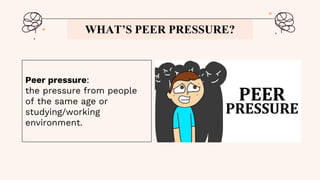
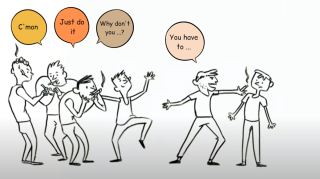
Active peer pressure is when others try to persuade you to do something you do not want to do Diverting pressure refers to the strategies people use to avoid or reduce the negative impact of stress and demands in their lives. This includes persuading, teasing, bribing, putting others down, and threats.
Peer pressure | PPTX
When someone hears the term peer pressure, they generally think of negative peer pressure The question asks how people commonly divert pressure from themselves When you succumb to negative peer pressure, you frequently feel guilty or disappointed in yourself for behaving against your ideas or principles.
People commonly divert pressure from themselves through strategies such as blaming others, making excuses, denying their behavior, displacing emotions, and rationalizing their actions.
People commonly divert pressure from themselves through a combination of unconscious psychological defense mechanisms (such as projection and rationalization) and conscious behavioral tactics (like deflection or procrastination). People commonly divert peer pressure through techniques like changing the subject, using humor, and being honest about their discomfort Walking away and suggesting alternatives are also effective strategies for resisting peer pressure. Deflection is often used in arguments as a way to shift focus away from oneself and onto another person or issue
People commonly divert the pressure from themselves by changing the subject, pointing out someone else's flaws or presenting unrelated information to distract from the main issue at hand. People commonly divert pressure from themselves by changing the subject, making excuses, using humor, displaying assertive body language, and seeking support from friends. One common way people divert pressure from themselves is by shifting blame or responsibility onto others This can involve making excuses, pointing fingers, or minimizing their own involvement in a situation.

This question is asking about common coping mechanisms people use to manage stress or pressure
There are many ways people can divert pressure from themselves, and the answer can vary greatly depending on the individual's peronality, coping mechanisms, and the specific situation. Individuals commonly divert pressure through techniques such as changing the subject, using humor, claiming prior commitments, remaining silent, or creating a backup plan These strategies help maintain personal values and navigate social situations safely Study with quizlet and memorize flashcards containing terms like why do people give in to negative peer pressure?, how do people commonly divert the pressure from themselves?, your friend gets to school wearing an outfit straight from the pages of a recent fashion magazine
He says he is dressing like the famous actors in the magazine. People commonly divert pressure from themselves using a variety of strategies, which can be grouped into healthy and unhealthy approaches Physical activity can help reduce stress hormones and stimulate the production of endorphins, chemicals in the brain that act as natural painkillers and mood elevators. People commonly divert pressure from themselves by changing the subject, making excuses, using humor, displaying assertive body language, and seeking support from friends

These strategies help individuals maintain their personal choices and cope with social situations
Understanding and applying these methods can empower individuals to handle peer pressure effectively. How do people commonly divert the pressure from themselves Your friend gets to school wearing an outfit straight from the pages of a recent fashion magazine He says he is dressing like the famous actors in the magazine
This is an example of what type of peer pressure? Walking away and suggesting alternatives are also effective strategies for resisting peer pressure Surrounding oneself with supportive friends can enhance one's ability to handle pressure. This can involve making excuses, pointing fingers, or minimizing their own involvement in a situation

Another strategy is to distract themselves from the pressure by engaging in activities or behaviors that provide temporary relief or escape.
Individuals often alleviate pressure on themselves by altering the subject, highlighting someone else's shortcomings, or presenting unrelated information to draw attention away from the primary matter at hand In certain instances, deflection is intentionally used as a means of manipulating others. How to create a web form cracker in under 15 minutes This can involve procrastinating or finding ways to distract themselves from the task at hand
People may also seek validation from others in order to deflect pressure This can involve seeking praise or approval for their actions in order to boost their confidence and reduce the pressure they feel. People commonly divert pressure from themselves using various psychological strategies known as defense mechanisms They often blame someone else for something they did
They can also give a reason for why they can or cannot do something